
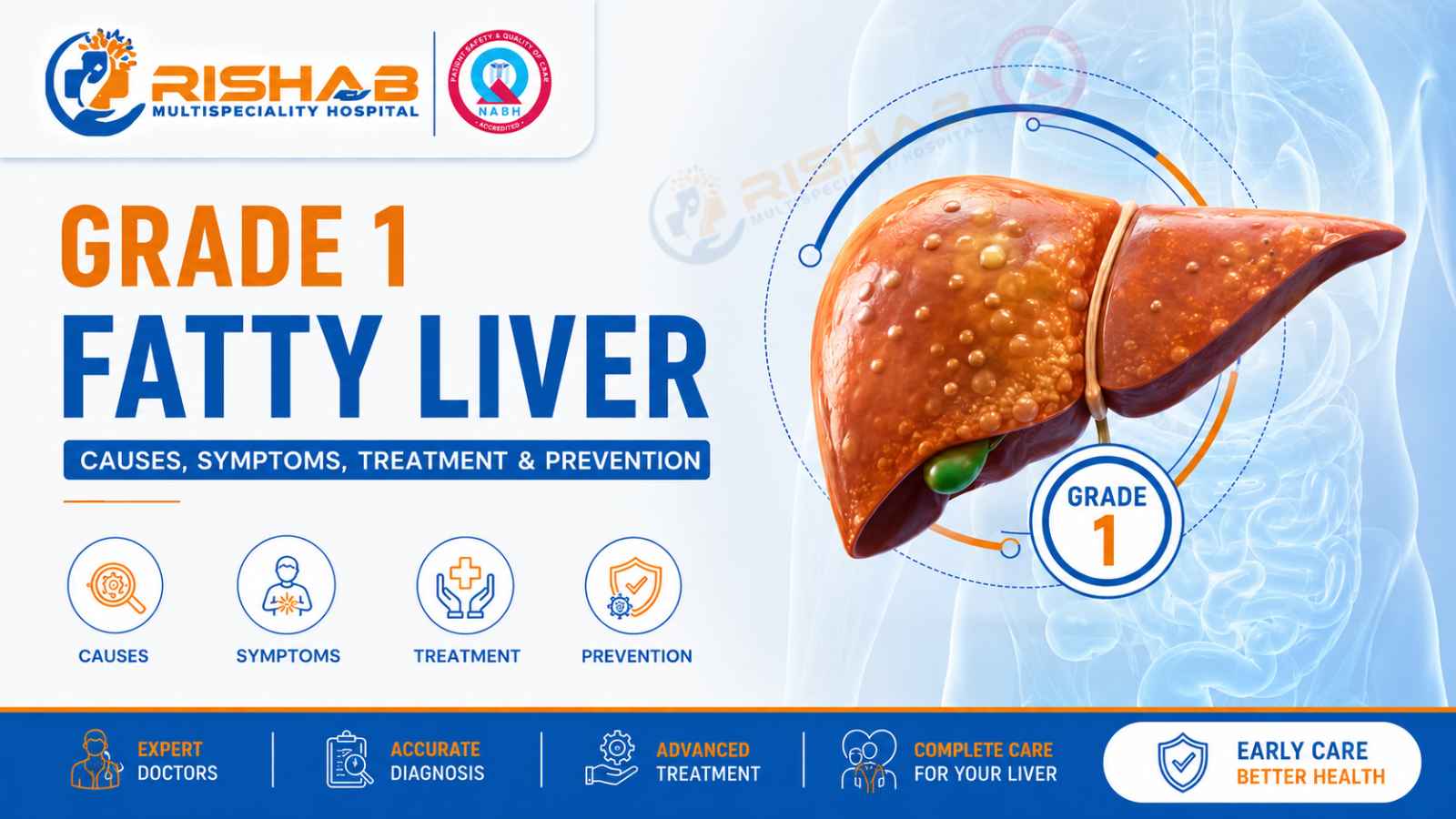
In Grade 1 Fatty Liver, there is a slight accumulation of fat in the liver, when patients generally receive the diagnosis during routine tests which do not reveal any signs of illness. The good thing is that if diagnosed with this condition the patient can implement certain lifestyle changes which could improve condition and prevent it from worsening, including proper diet, regular physical activity, maintaining a healthy weight level, as well as managing chronic diseases like diabetes and hypercholesterolemia.
Grade 1 means presence of excess fat in the liver, usually detected by ultrasound. This is a very early disease stage when liver is not affected yet, and fatty liver disease may be caused by metabolic issues, such as obesity, insulin resistance, diabetes type 2, high triglycerides, as well as unhealthy eating habits. Alcohol consumption might also lead to liver fat accumulation, which is why the causes of the disease need to be investigated by a physician. The Department of Gastroenterology specializes in the diagnosis and management of liver and digestive health conditions, including fatty liver disease.
Despite the fact that Grade 1 Fatty Liver is not as severe as advanced stages of the disease, it should still require attention since healthy lifestyle changes at this time can help improve the situation.
The most common causes of Grade 1 fatty liver are related to metabolism and way of living. They may include:
You Can Also Read: Food For Piles: Best Diet, Foods To Eat And Avoid For Better Relief
One of the biggest challenges is that Grade 1 fatty liver signs may not be present. In many cases, people feel perfectly well and learn they have fatty liver during an ultrasound or blood test.
When there are symptoms, they may comprise:
The process of evaluating fatty liver involves reviewing your clinical history, physical examination, laboratory tests, and imaging analyses. Abdominal ultrasound shows the presence of fat in the liver and is the examination often performed in the first place. Liver enzymes ALT and AST can be determined through blood tests, while the doctor may also recommend additional studies depending on your risk factors including elastography.
Although ultrasound is able to detect fat in your liver, it does not necessarily mean that there is liver inflammation or fibrosis present.
The principal method for treating Grade 1 fatty liver disease has to do with modifying the factors which lead to the accumulation of fat. If you are overweight, weight loss may help reduce liver fat. Reducing your weight by a little may be helpful, while more significant weight loss can provide an additional effect on the liver inflammation and fibrosis. Increased physical activity will be useful for the liver even if there is no significant weight loss.
Treatment can include:
Fatty liver diet needs to highlight wholesome foods over highly processed foods while having a little bit of everything instead of entirely avoiding certain type of meals.
The types of food include:
The main idea is to stick to unsaturated oils and healthy food instead of hydrogenated and saturated foods.
Other types of foods to keep away from:
For many people, fatty liver disease gets better through improving the underlying causes. If the person is overweight, this can lead to fatty liver, and losing weight gradually can help to reduce fat in the liver. Just exercising can also work without sacrificing any weight.
There is no specific time for which this happens. Various factors come into play, such as diet, physical activities, weight, cholesterol levels, diabetes, etc.
Taking steps to lessen possible risk factors can be the first step.
You Can Also Read: PCOD Vs PCOS: Difference, Symptoms, Causes And Treatment Guide
If you have either an abnormal liver ultrasound or abnormal liver enzymes, seek medical attention. If you have symptoms such as fatigue, abdominal pain, diabetes or high levels of fat in the blood, then it is advisable to meet with a healthcare professional.
If you manifest signs such as jaundice, swelling in the abdomen or bleeding, consult a doctor as these could mean serious liver conditions have set in.
The existence of a Grade 1 fatty liver is a positive sign informing you that your liver is still in a correct working state and has a chance to restore its functions and general metabolic processes. Following a proper diet for patients with Grade 1 fatty liver, performing physical activity and exercising, controlling your body weight, as well as managing your diabetes and hyperlipidemia would help to restore the liver state in your case.
In case you want to receive effective treatment for Grade 1 fatty liver disease, do not rely on self-treatment and the use of unverified detox products, but get in touch with an expert who will perform proper evaluation of your health. Rishabh Hospital Jaipur is known for the work of the Department of Gastroenterology, being one of the leaders in the field of evaluation and treatment of liver and digestive diseases.
1. Can we treat Grade 1 Fatty Liver completely?
If the root causes are identified and treated in Grade 1 Fatty Liver, then it can mostly improve. Having a balanced diet, exercise, losing weight if needed, as well as managing diabetes and excess of cholesterol will decrease liver fat.
2. Is Grade 1 Fatty Liver dangerous?
Grade 1 Fatty Liver is a mild stage of fatty liver disease that should not be dismissed. People sometimes get inflammation and liver fibrosis later as persistent metabolic risk factors are present. Change in lifestyle can help prevent this from happening.
3. What is the most effective diet for Grade 1 Fatty Liver?
The most effective diet helps eat more vegetables, consume whole grains and pulses and limit lean meat and fats.
4. How long does it take to get rid of Grade 1 Fatty Liver?
The time taken for treatment of this ailment is unpredictable since every individual responds differently to treatments. However, lifestyle modifications will provide gradual benefits for a few months period, after which tests may be suggested by the doctor.
5. Is exercise enough for getting rid of Grade 1 Fatty Liver?
The answer is positive as exercise improves liver function and reduces fat even without weight loss. However, combining exercise with even a moderate diet will yield greater results than exercise alone.


At Rishab Multispeciality Hospital, our primary focus is on delivering unparalleled multidisciplinary care to our patients. We are committed to leveraging state-of-the-art technology and harnessing expertise to ensure the highest standards of healthcare.
Rishab Hospital Choraha, Vishwa Vidhyalaya Nagar, Jagatpura, Jaipur, Rajasthan 302017
 0141 3513400
