
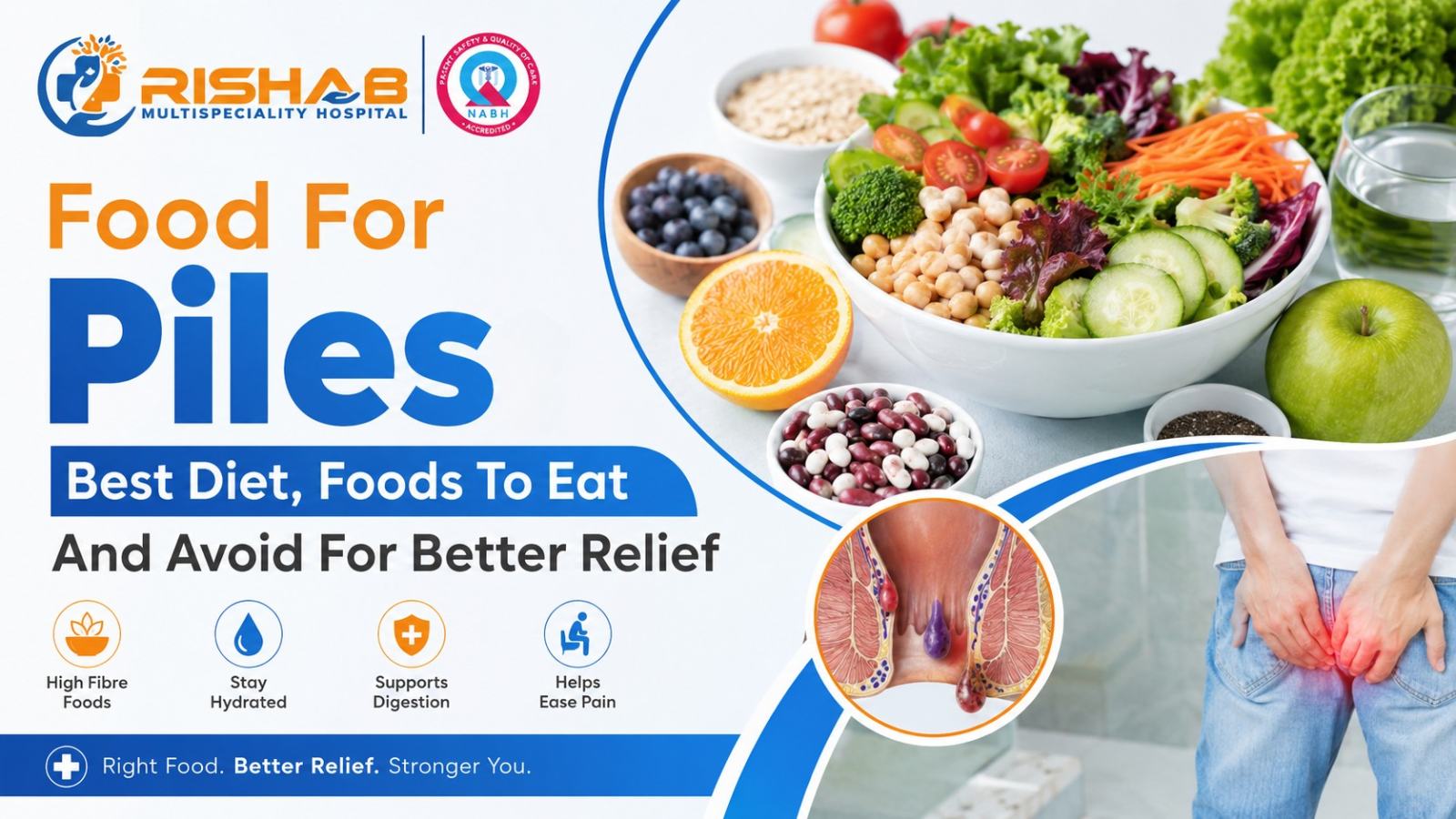
Piles, which are also called hemorrhoids, are swollen blood vessels located around the lower part of the rectum that can cause itchy feelings, bleeding and discomfort during the process of urination. While pills and treatment can take symptoms under control, the eating habits of those suffering from piles are also very important.
People often ask, "What is the most effective diet for piles?" The answer is very clear - they should consume food high in fibers and rich in fluids, fruits, and wheat.
This makes sense, since the food raises the meals' quality, making them less dense.
Diet is important for those suffering from piles because one of the major reasons piles cause pain is constipation. The Gastroenterology Department explains that hard stool makes the process of bowel movement difficult and uncomfortable. Eating a right diet helps avoid getting constipated and become less irritable.
A proper diet used in the case of piles can:
- Make the stool soft
- Facilitate the elimination process
- Erect constipation
- Reduce pressure on hemorrhoids
- Minimize pain and bleeding.
If you are looking for the most nutritious food for piles disease then fiber rich food must be your first option. By eating fiber, the stool gets bulked up and passes easily.
1. Fruits Rich In Fiber
Fresh fruits are great for digestive health since they have both soluble and insoluble fiber.
Some fruits that can be opted for are:
The above fruits also have vitamins, antioxidants, and natural water content to boost gut health.
2. Legumes And Pulses
Pulses like beans and lentils are loaded with protein and fiber.
Moreover, the best options to be chosen are:
Consuming such foods on a regular basis will help in increasing the bowel movements of an individual.
3. Nuts And Seeds
Healthy nuts are rich in fiber as well as good fats.
Examples of nuts are:
These nuts can be consumed in moderation as breakfast or snacks.
You Can Read Also:- PCOD Vs PCOS: Difference, Symptoms, Causes And Treatment Guide
Fruits and whole grains are among the healthiest food choices for piles because they aid in proper digestion without resulting in constipation.
Vegetables That Can Help With Piles
Eat a variety of fresh vegetables every day, such as:
Vegetables are a rich source of fiber, vitamins, minerals, and water, which ensures that digestion works properly.
Whole Grains For Improved Digestive Functioning
Opt for whole grains instead of refined flour products.
The best options are:
Whole grains will help keep you regular and prevent any straining during bowel movements.
Hydration is equally essential.
Drink:
Many types of food aggravate constipation or irritate the intestines. It is equally crucial to know what foods to avoid in piles.
Avoid or Reduce:
1. Spicy Foods
Extremely spicy food can aggravate the pain in the case of bleeding piles.
Examples:
2. Processed and Junk Foods
These foods are generally low in fibers and high in harmful fats.
Avoid:
3. Refined Flour Products
Foods from refined flour can slow down digestion.
Examples are:
4. Deep Fried Foods
Deep-fried foods can trigger bad digestion and constipation.
Examples are:
Too Much Dairy
Too much cheese can cause constipation in some people.
Eat dairy moderately.
Alcohol and Sugar Drinks
Alcohol can dehydrate and make stools hard.
Limit:
A lot of people often inquire as to how food plays its role in alleviating piles pain.
The foods chosen can:
It’s not just about choosing the right food but also about following the right principles when eating.
Here are some of the most helpful recommendations:
You Can Read Also:- Wrist Joint Pain: Causes, Symptoms & Effective Treatment Options
A simple diet plan for piles patient may consist of the following meals:
Breakfast
Mid-morning
Lunch
Evening snack
Dinner
Before bed
Selecting appropriate food for piles is essential in order to tackle the signs naturally. High-fiber diet, sufficient amount of fluids, fresh fruits and vegetables, whole grains are helpful in avoiding constipation problems, and the need to strain bowel movements. Your treatment plan implies avoiding processed, spicy foods and low-fiber ration.
If piles cause further problems for you then it is highly recommended you clonsult your doctor. Rishabh Hospital Jaipur has Advanced Surgery department with professional doctors who are ready to help you get rid of piles.
Q.1. Which foods can be beneficial during piles?
Ans. Oats, cereals, spinach, broccoli, papaya, apples, pears, banana, lentils, beans, flaxseeds, and water are amongst the ideal food choices for piles. These foods are high in fiber and prevent constipation.
Q.2. What fruits may help with piles?
Ans. Papaya, guava,
apples, pears, oranges, banana, figs, berries, and prunes may help with piles, as they make digestion easier and soften stools.
Q.3. What foods must not be eaten during piles?
Ans. One must avoid spicy food, fried food, processed snacks, refined flour products, cheeses, alcohol, and sugary drinks.
Q.4. How helpful is a fiber-rich diet for piles patients?
Ans. Definitely, a fiber-rich food decreases stool hardness and bowel movements, decreases straining, and lowers recurrence of hemorrhoids.
Q.5. Does a patient with piles need to drink a lot of water?
Ans. Usually, piles patients need to drink daily 2 to 3 liters of water unless the doctor recommends otherwise. Adequate hydration helps fiber function properly and prevents constipation.


At Rishab Multispeciality Hospital, our primary focus is on delivering unparalleled multidisciplinary care to our patients. We are committed to leveraging state-of-the-art technology and harnessing expertise to ensure the highest standards of healthcare.
Rishab Hospital Choraha, Vishwa Vidhyalaya Nagar, Jagatpura, Jaipur, Rajasthan 302017
 0141 3513400
