
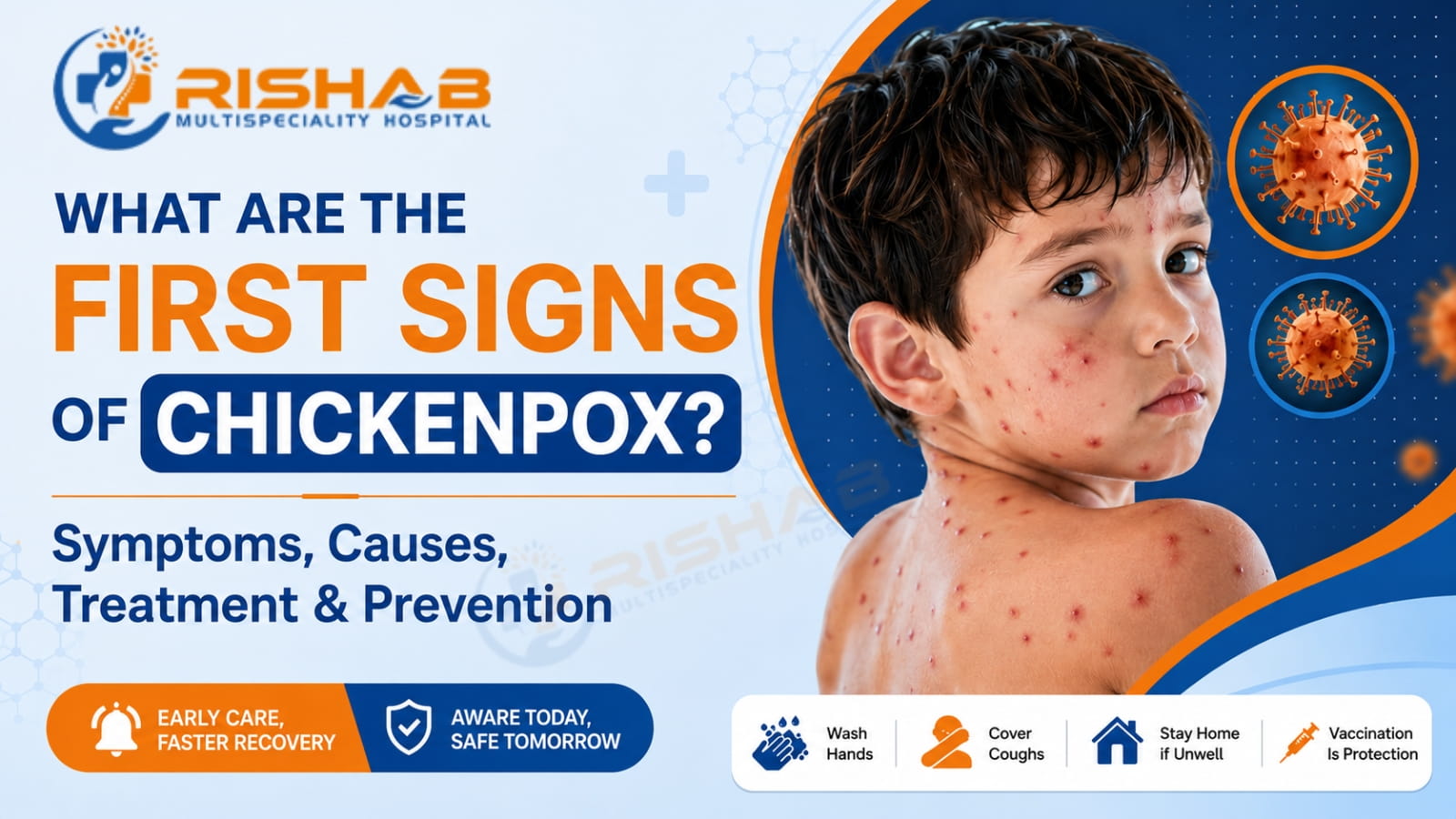
Chickenpox is an extremely contagious viral disease that typically occurs in young children, although adults who do not have prior exposure to chickenpox or have not been vaccinated can also become infected. By knowing the initial symptoms of chickenpox, you can determine if someone has contracted the disease early enough to allow you time to receive treatment and stop its transmission to other people before they show symptoms.
Chickenpox is caused by the varicella virus. It is spread from one person to another either through caughing and/or sneezing, or by coming in direct contact with the blisters, or touching anything else that has been contaminated by the rash/blisters.
Even though chickenpox is primarily a mild illness for healthy children, complications may arise for pregnant women, infants, adults, and people who have weakened immune systems, making timely medical care at a best Pediatric Hospital important in certain cases.
Most cases of chickenpox will last between 7 and 14 days, and the disease is characterized by red raised itchy spots that eventually become filled with a clear fluid (blisters) before forming a crust.
Many people mistake early symptoms of Chickenpox for a common viral infection.
A few of the earliest signs of Chickenpox to look for include:
In most cases, after these early signs of Chickenpox appear, a red rash, which frequently starts on the face, chest, or back, will develop, and spread to the rest of your body.
You Can Read Also:- Blood Clot in Brain Survival Rate: What You Need to Know
The Chickenpox rash consists of three distinct phases:
1. The initial phase consists of small red spots appearing in the center of the body.
2. As these red spots develop over a period of a few hours, they will become raised and contain clear fluid inside of them.
3. The final phase includes the blistered areas breaking open, drying up, and eventually scabbing over.
Throughout the course of Chickenpox, new blisters may continue appearing for a period of several days; therefore, patients may have a combination of red spots, blisters, and scabs all present on their skin at one time.
Other common symptoms that may accompany the rash include:
- Fever
- Itching
- Tiredness
- Muscle soreness
- Headaches
- Poor appetite
- Crankiness in children
If your fever has lasted longer than three days, you will need to seek a healthcare provider if your:
- Breathing becomes difficult
- Rash has started to spread to your eyes
- Skin has become very red and swollen or extremely painful
- You are currently pregnant, or immuno-compromised
- See your healthcare provider as early as possible will help to prevent complications and provide proper treatment.
What Are The Causes Of Chickenpox?
The major cause of chickenpox is due to the varicella zoster virus causing an infection.
How does Chickenpox Spread?
Chickenpox spreads by:
- Coughing
- Sneezing
- Contact with the blister fluid directly
- Sharing personal items with someone who has chickenpox
- Coming in contact with contaminated surfaces.
A person with chickenpox is contagious for 1-2 days before the rash will appear and until the last blister has scabbed over.
The risk factors that make an individual more likely to develop chickenpox refer to:
The vaccine for chickenpox is the most effective way to protect from the varicella zoster virus and chickenpox infection.
What is the Best Way to Treat Chickenpox?
There isn't a definitive cure for chickenpox, but the focus of treatment is on symptom relief and avoiding complications.
What are the Treatment Options for Chickenpox?
1. Rest and Hydration - A child should get adequate sleep and drink plenty of liquids to assist their body to effectively combat the illness.
2. Managing Fever - A doctor may provide medication to reduce fever and provide comfort if necessary. As fever is a side effect of chickenpox, children should not be treated with aspirin since this would greatly increase their risk of developing complications.
3. Minimizing Itch - To help lessen itch, a child may:
- have calamine lotion applied,
- take a lukewarm bath,
- wear loose-fitting clothing made of cotton, and
- wear short nails to avoid injuring their skin while scratching.
4. Antiviral Medication - Under some circumstances, adults and high-risk patients may be provided with antiviral medication to lessen the severity of their illness.
Will Chickenpox Resolve Before 7 Days?
Mild cases of chickenpox will begin to improve during the course of 7 days; however, a full recovery will take 10 and possibly 14 days. Scabs will likely remain for a few days after the scabbing phase is complete before they heal completely.
You Can Read Also:- Black Coffee Benefits: A Simple Habit for a Healthier Life
How To Avoid Coming Down With Chicken Pox?
The best way to avoid getting chicken pox is to get vaccinated.
What Is The Chicken Pox Vaccine?
The chicken pox vaccination greatly reduces a person's chance of catching the chicken pox virus, which might lead to serious health consequences or major complications from the disease.
Children are suggested to get vaccinated against chicken pox. Adolescents should get vaccinated if they have not already done so. Adults who have not had chicken pox in the past are encouraged to get vaccinated.
What Other Ways Can I Avoid Becoming Sick From Chicken Pox?
1) Minimize Your Exposure To Those Who Have Chicken Pox or Have Been Diagnosed With Chicken Pox
2) Practice Good Hygiene
- Frequent Hand Washing
- Cough/Sneeze Into Your Sleeve or Elbow
- Do Not Share Items with Others
- Isolate Someone with Chicken Pox By Keeping Him/Her At Home Until All Blisters Have Dried Up or Scabbed
How Do You Prevent Getting Chicken Pox After Exposure?
Contact Your Doctor Immediately If You Have Been Exposed to Someone Who Has Chicken Pox
Monitor for Symptoms:
Recovery from illness will be positively impacted by your nutritional intake. The following foods should be consumed:s
If you have mouth sores, eat soft foods.
You should also consume enough fluid in the following ways:
Eating a balanced diet will help support your immune and healing processes.
Recognizing the first signs of chickenpox is important to ensuring early diagnosis and treatment, while reducing the likelihood of spreading the virus. It is common for children with the chickenpox virus to exhibit a fever, fatigue, headache, and loss of appetite for several days before developing the characteristic itchy rash.
Making yourself aware of what each of these symptoms indicate and the common causes that lead to the development of the virus and knowing what available treatment options exist for the treatment of chickenpox will help you to avoid experiencing complications as a result of contracting the chickenpox virus.
-The staff at Rishabh Hospital, located in Jaipur, provides complete/proper diagnostic evaluations, pediatric care, infectious disease management, vaccination services, and supportive treatment for all viral infectious diseases including the chickenpox virus. If you or your child is displaying signs of the chickenpox virus, please do not hesitate to contact a member of our Pediatric or General Medicine specialist team for a thorough evaluation and individualized assistance.
Q.1) How to prevent chickenpox from developing after exposure?
Ans. If you know that you have been exposed or if you have any symptoms that are indicative of chickenpox, you should try to avoid being in close proximity with other people, practice proper hygiene, and see a doctor as soon as possible. In some cases, after having been exposed to someone with chickenpox, vaccination may be medically advised.
Q.2) What is the first sign of chickenpox?
Ans. The first sign of chickenpox is often fever, followed by exhaustion, headache, loss of appetite, and general malaise, which is typically followed by the rash within 1-2 days.
Q.3) Will chickenpox heal in 7 days?
Ans. A mild case of chickenpox may begin to resolve within 7 days, however, the entire process can take between 10 and 14 days for complete healing as the blisters dry and form scabs.
Q.4) What are the prevention and treatment methods for chickenpox?
Ans. Vaccination, practicing proper hygiene and avoiding contact with infected individuals are the primary methods to prevent disease. The primary goal of treatment is to alleviate symptoms and provide comfort while treating complications.
Q.5) What foods should I eat while I recover from chickenpox?
Ans. Nutrient-rich foods that are soft in texture such as fruit, vegetables, soup, yogurt, oatmeal and plenty of fluids (pure water, clear juices, etc.) are recommended to aid healing and promote hydration in patients recovering from chickenpox.


At Rishab Multispeciality Hospital, our primary focus is on delivering unparalleled multidisciplinary care to our patients. We are committed to leveraging state-of-the-art technology and harnessing expertise to ensure the highest standards of healthcare.
Rishab Hospital Choraha, Vishwa Vidhyalaya Nagar, Jagatpura, Jaipur, Rajasthan 302017
 0141 3513400
