
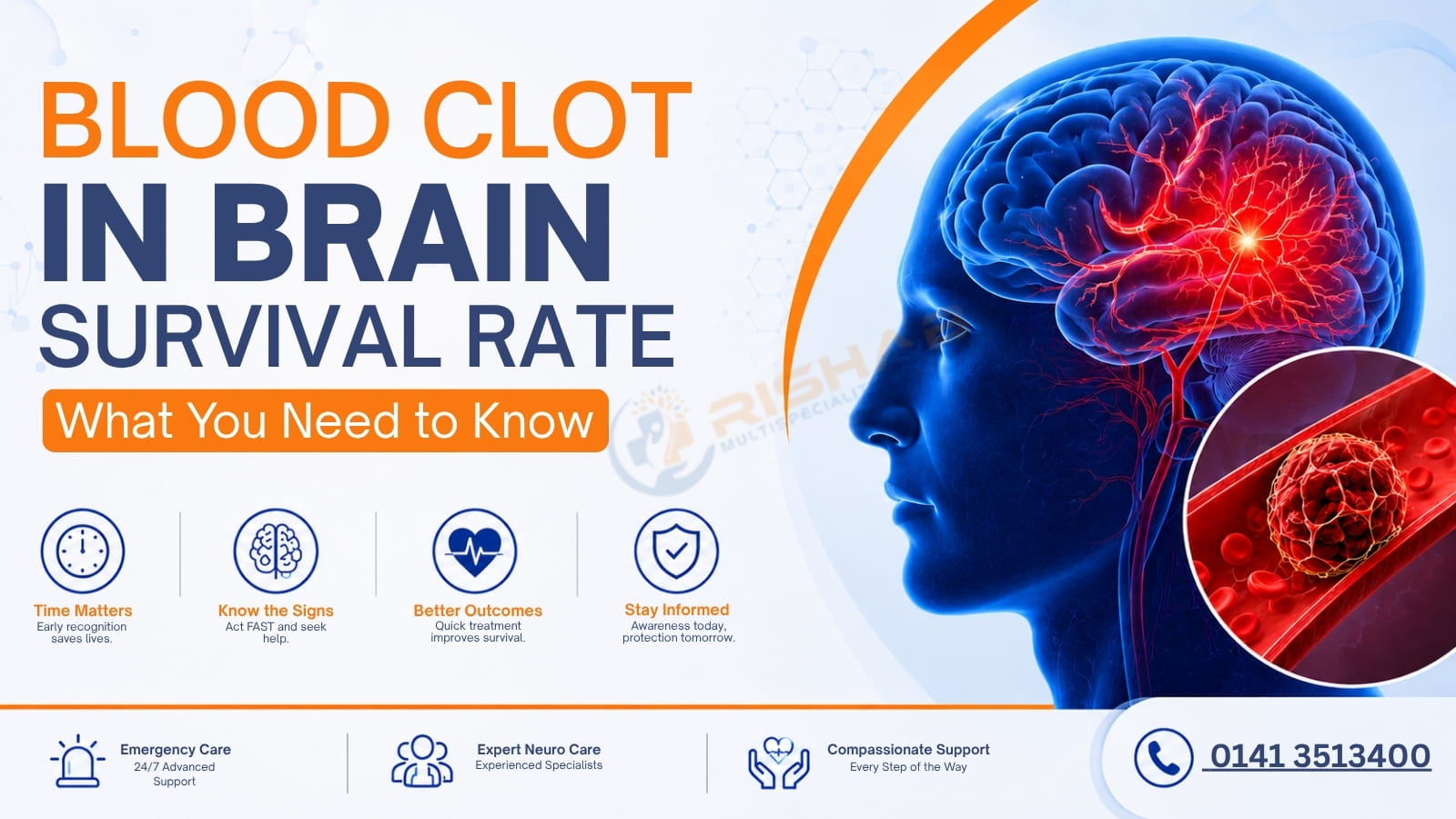
An emergency that can arise from a blood clot in the brain is called an intracerebral (or intracranial) hemorrhage (or bleeding). The urgency of getting medical assistance for this type of emergency cannot be stressed enough. Many families and individuals want to know, "What are the odds of a person surviving a brain clot."
Unfortunately, this answer varies between patients due to several factors. Size, location, past medical history, and how long it has been since the development of the clot until treatment has been initiated are the primary determining factors.
However, advances in medicine have improved the chances of a person's survival after suffering from a brain clot more than ever, with improved diagnostic and treatment methods being developed in recent years. Knowing the warning signs of a brain clot and having knowledge of available treatment options will also greatly affect the rate of survival and recovery for a patient.
Blood clots that form in the brain can be caused by a blockage of blood flow to an area in the brain, or by the rupture of a blood vessel leading to bleeding. The resulting loss of oxygen and nutritional support to the brain will cause brain damage within minutes.
Blood clots in the brain are frequently associated with stroke and can result in death if not treated quickly. Depending on the location and severity of the blood clot, patients may have symptoms that last for a short period of time or may have long-lasting neurological problems.
Some of the more frequent causes of blood clots in the brain include:
The survival rate from ischemic strokes, which occur when a blood vessel is blocked, has greatly improved with the availability of clot-dissolving drugs and minimally invasive interventions. Research indicates that patients are often able to survive if they receive treatment within best Neurology hospital 2-3 hours after symptom onset.
For hemorrhagic strokes, where there is bleeding into the brain, the survival rate is generally lower than that of ischemic strokes. This is because when there is bleeding into the brain, there is often a rapid increase in pressure within the brain and damage to surrounding tissue. Overall, survival from hemorrhagic stroke may be between 50-80% based on how severe the bleeding is, the brain location where it occurs, and how fast the treatment is received after the bleeding begins.
There are several factors that influence survival from a stroke or brain clot:
By knowing how they made the clot will provide the bases for predicting survival and treating patients.
There are three different types of strokes:
1. Ischemic Stroke - Ischemic type is the most common and is when there is a blockage of a blood vessel that supplies the brain with blood from clot.
Key points:
A. Approximately 85% of all strokes are ischemic.
B. Fatty deposits or clots from the heart cause most ischemic strokes.
C. Higher percentage of survival when treated quickly.
2. Cerebral Venous Sinus Thrombosis (CVST) - CVST is yet another rare condition. CVST occurs when a clot blocks one or more of the veins that drain blood from brain to heart.
Signs and Symptoms may include:
A. Severe headaches
B. Blurred vision
C. Seizures
D. Weakness
Thus, prognosis is favorable when diagnosed early.
3. Hemorrhagic Stroke - Hemorrhagic stroke occurs when a blood vessel ruptures and produces bleeding within the brain itself.
The risk factors for hemorrhagic stroke include:
A. Uncontrolled high blood pressure.
B. Brain aneurysm
C. Trauma to the head or neck.
D. Use of anticoagulants (blood thinning) medication.
You Can Read Also:- Black Coffee Benefits: A Simple Habit for a Healthier Life
Responding quickly to the signs of a stroke can greatly increase the odds of surviving a stroke caused by a blood clot in the brain. The common signs of a blood clot-related stroke include:
To remember these signs, healthcare providers use the FAST acronym:
Recovery from adverse events and survival are strongly determined by one of the main factors considered: age.
1. Younger Patients- Younger adults typically have better outcomes in terms of:
Each person who is under age 40 is likely to return to normal activities after recovery with appropriate rehabilitation treatment.
2. Older Patients
Older adults have an additional challenge in that they often have one or more health conditions that are contributing to the likelihood of developing one or more new complications. Other factors that affect recovery are their physical status (often slower), age (often fewer options for treatment), and time needed for rehabilitation.
Making changes in your lifestyle can ultimately impact your survival. Patients with controlled hypertension, appropriate medications to control their high cholesterol, regular physical activity, and avoidance of smoking tend to have more favorable long-term outcomes.
You Can Read Also:- Dengue Fever Platelet Count: Symptoms, Danger Levels & How to Increase Platelets Fast
Brain blood clots can have a dramatically new outlook due to the use of several modern treatment options.
1. Clot Busting Medicines
These types of medications dissolve clots and allow for blood flow again after being administered in a treatment period.
2. Mechanical Thrombectomy
This is a very minimally invasive procedure used to remove the clot from your artery that was blocked.
3. Surgery
Surgery may be needed on patients who have suffered from a large clot or those who have experienced a stroke from an excessive amount of blood loss to relieve pressure on their brain.
4. Rehabilitation
Recovery can also be improved from the use of:
When done comprehensively, the rehabilitation process can be very beneficial to the quality of life of the person after they had a blood clot in their brain.
Being aware of the blood clot in brain survival chances can provide patients and families with the information they need for making decisions during a medical emergency. While survival rates differ depending on the typology of clot, age or overall health & treatment timing, one thing that is clear is that timely & accurate diagnosis, and immediate medical care will greatly enhance the chances of recovery.
At Rishab Hospital, our Neurology & Critical Care Teams will provide advanced degrees of diagnosis; emergency stroke management; brain imaging; intensive care support and rehabilitation services. Our staff provides skilled professionals, cutting edge facilities and comprehensive care to ensure we work to improve the likelihood for survival & help every patient to have a successful recovery with brain blood clots and strokes.
Q.1. Can you live after having a blood clot in the brain?
Ans. Many patients survive with a blood clot in the brain if they get rapid access to treatment. Fast detection and modern management of stroke can increase your chances of living after having a blood clot in your brain.
Q.2. What are the four stages of blood clotting?
Ans. There are basically four stages of blood clotting:
However, in patients with a blood clot in the brain, these stages can occur very quickly and they will probably need emergency treatment.
Q.3. Can patients with blood clots in brain fully recover?
Ans. Some individuals achieve full recovery following a blood clot, particularly if treatment is initiated quickly, and the blood clot caused little or no injury to brain tissue. Other individuals may need rehabilitation to recover basic speech, movement or cognitive skills.
Q.4. How long does it take to recover from having a blood clot in brain?
Ans. The amount of time it takes to recover from a blood clot in the brain can range from weeks (for less severe cases) to up to months (for more severe cases). Some patients may continue to recover from their injury for 12 months or longer.


At Rishab Multispeciality Hospital, our primary focus is on delivering unparalleled multidisciplinary care to our patients. We are committed to leveraging state-of-the-art technology and harnessing expertise to ensure the highest standards of healthcare.
Rishab Hospital Choraha, Vishwa Vidhyalaya Nagar, Jagatpura, Jaipur, Rajasthan 302017
 0141 3513400
