
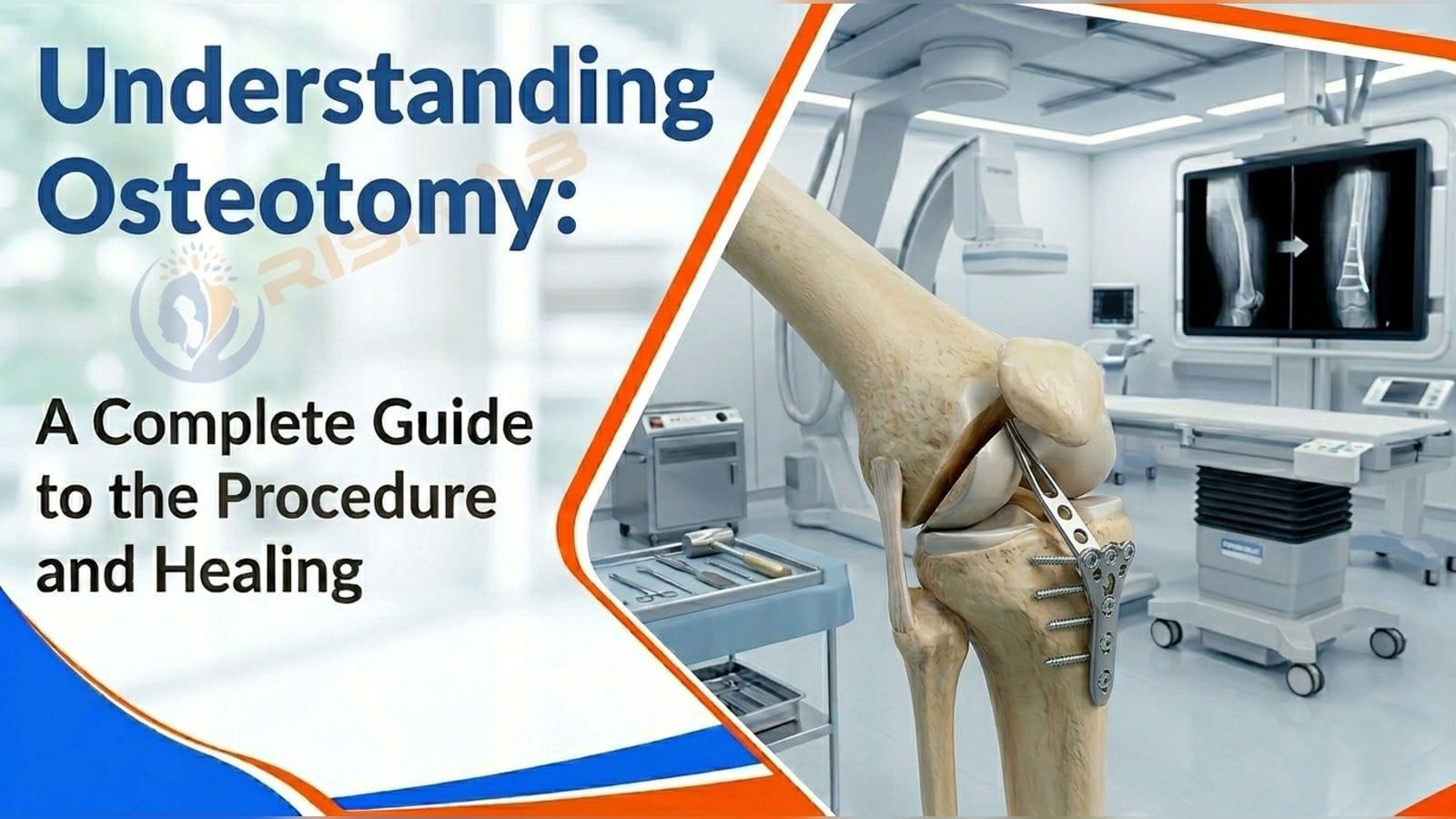
Osteotomy is a subspecialty in orthopedics that involves the surgical cutting and reshaping, of bones for the purpose of correcting alignment faults. In layman’s terms, osteotomy is simply a surgical procedure which realigns the bone to correct a deformity, relieve joint pain and increase mobility. Osteotomy is done when a joint has significant damage but a joint replacement is not yet needed.
If you have been diagnosed with a bone deformity that requires correction or have been advised to undergo surgical cutting and realignment of the bone, you probably have many questions; Why do I need an osteotomy? How do I get an osteotomy? What does the recovery process look like? This guide will address any concerns you may have in regards to these questions in an easy to read and conversational manner so that you will feel more confident in your understanding of the procedure as well as the healing process.
Osteotomy is a surgical procedure to correct the bony alignment of a joint to alleviate pain. It is not generally the first choice of treatment and is considered if conservative measures, such as medications, physiotherapy or braces, have shown no improvement.
1. Young Adult Osteoarthritis
When there is arthritis in only one area of the knee or hip joint, the surgical procedure of osteotomy can cut and realign the bone to reduce stress on the affected area and thus, decrease pain and may save you from needing to have a joint replacement.
2. Bow Legs or Knock Knees
If there is abnormal alignment of the leg, the joint may be subjected to uneven forces. Corrective surgery will re-align the bones in the leg and improve both the function and appearance of the leg.
3. Hip Dysplasia
In younger individuals with shallow sockets in their hips, an osteotomy may be used to reshape the pelvis or femur to give the hip joint more stability.
4. Malunion After Fracture
When a bone heals in the wrong position following a fracture, an osteotomy is performed to realign the bone to its proper position.
5. Congenital Bone Deformities
Some congenital structural deformities of bone can affect an individual's ability to move correctly; corrective surgical procedures to the bone can improve mobility and the individual's quality of life.
Based upon the bone and condition being treated, osteotomies can be performed at the Best Orthopedic Hospital to help with good alignment of bones or a general ideal position of the bone where it has not been damaged during an accident. Therefore, the purpose of an osteotomy will vary depending on the type of osteotomy performed on an individual.
A common osteotomy is a knee osteotomy which is performed primarily in active individuals under 60 years of age who have early-stage osteoarthritis in one knee.
There are two types of knee osteotomies that are performed on the tibia and femur as follows:
1. High Tibial Osteotomy (HTO): is when the tibia is realigned to properly distribute your weight. This shifts the weight from the damaged area of your knee to the healthy side.
2. Distal Femoral Osteotomy (DFO): is when the femur is re-aligned and changes the way your body carries its weight. A second osteotomy is a hip osteotomy which is performed to help re-align the hip by re-shaping either the femur or pelvis.
The hip osteotomy is indicated for young adults with hip dysplasia or early hip arthritis.
3. A third type of osteotomy is called a jaw osteotomy which is a bone cut used to correct an abnormal bite or a natural bone structure. Jaw osteotomies are performed by oral/maxillofacial surgeons and are indicated for individuals with a severe bite issue, facial asymmetry, or difficulty with chewing or speaking.
4. Spinal osteotomy is a type of surgery performed to correct deformities of the spine; such as kyphosis or scoliosis, through the removal of bone (osteotomy) from the vertebral column. Those patients who have a stiff spinal curve.
Those patients who are having nerve compression through their deformities.
You Can Read Also:- Understanding Rotablation Angioplasty: When and Why It Is Used
Having an understanding of what occurs during the surgical procedure can help alleviate anxiety that you may experience before the surgery.
The following is a general idea of how the surgery will proceed.
The entire process may take between 1 and 3 hours depending on the complexity of the surgery.
Recovery rates will vary greatly based on the type of osteotomy performed as well as other factors related to the patient’s health and medical status.
1. Immediate Phase of Recovery - 1st Few Days
2. First 6 weeks
3. 3-6 months
Total healing time may take anywhere from 6-12 months, some patients may begin resuming daily activity after 3-4 months.
When performed correctly on the right patient, osteotomy produces good results.
Advantages of Osteotomy Include:
Osteotomy For The Knee Has A High Probability of Success in Appropriately Selected Patients (e.g., Young Patients with Localized Arthritis).
As with all surgeries, osteotomy should have the risks associated with bone realignment, such as:
The following are some tips to help prepare for your osteotomy surgery:
You Can Read Also:- Upper Back Pain at Work: Symptoms, Causes, and Treatment
Selecting a qualified orthopedic doctor and hospital to do the procedure is important. High-quality equipment, advanced imaging techniques, good surgical preparation, and well-structured post-surgical rehabilitation all have positive impacts on outcome.
As an effective mode of correcting alignment, osteotomy is a surgical procedure for realigning bones. End result is better pain control and improved mobility especially in young, active persons. This applies equally to osteotomy procedures of the knee, hip and any other long bone or short bone in the body. The appropriate application of the procedure, at the right time, should result in significant improvement in overall health as well as quality of life (QoL).
At Rishabh Hospital in Jaipur, we have a team of orthopedic specialists dedicated to providing state-of-the-art bone realignment surgery by utilizing the latest surgical techniques while also establishing an individual's specific care plan(s). Our specialists provide a complete diagnostic evaluation to develop a precise diagnosis for our patients and provide them with full rehabilitation assistance so they will be able to successfully return to their prior level of activity.
If you or someone you care about is experiencing ongoing (chronic) joint pain or alignment problems, the next step should be to consult a qualified orthopedic physician to determine if osteotomy is an appropriate option for you. Receiving treatment early will contribute positively towards improving your future movement ability and the overall quality of life you experience.
1. Is an osteotomy better than a knee replacement?
An osteotomy allows younger patients with early arthritis to delay a knee replacement by many years. However, an osteotomy is not right for everyone.
2. Is an osteotomy a permanent surgical option?
An osteotomy will provide long-term relief from pain (10–15 or more years), depending on your age and level of physical activity.
3. Will the procedure be very painful?
The amount of pain you experience will be manageable with appropriate medication, and your pain will gradually get better as you heal from the surgery.


At Rishab Multispeciality Hospital, our primary focus is on delivering unparalleled multidisciplinary care to our patients. We are committed to leveraging state-of-the-art technology and harnessing expertise to ensure the highest standards of healthcare.
Rishab Hospital Choraha, Vishwa Vidhyalaya Nagar, Jagatpura, Jaipur, Rajasthan 302017
 0141 3513400
