
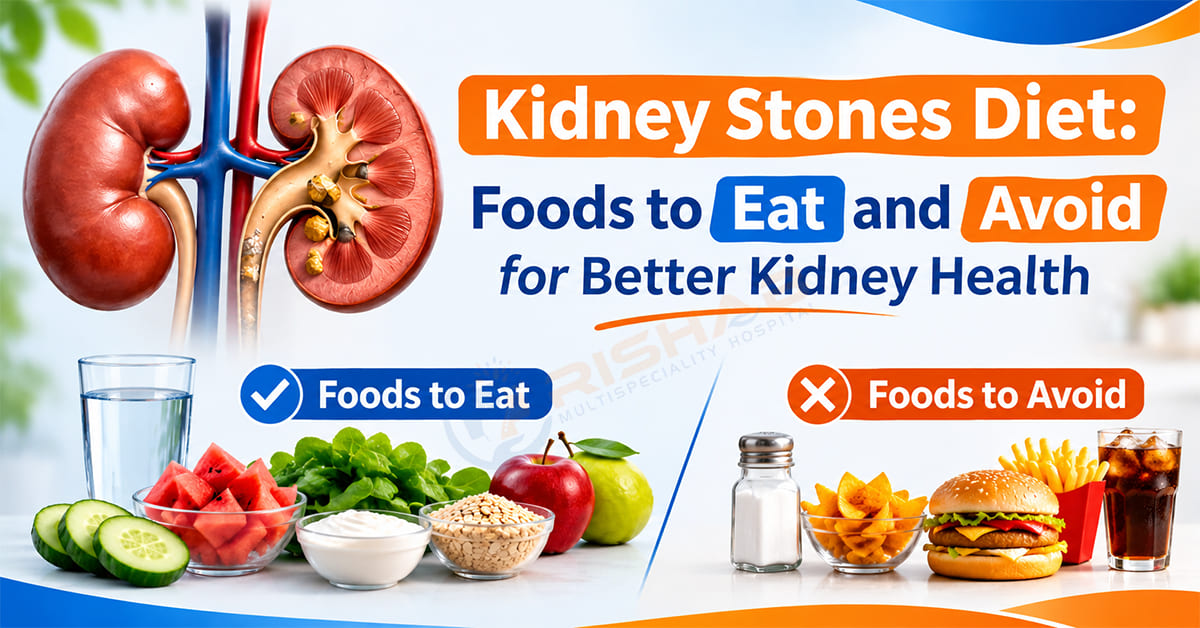
Kidney stones can lead to sudden pains, aches and problems associated with urinating. Even though medical help is essential in some instances, diet is also of great importance in treating kidney stones and preventing their reappearance. Following the proper kidney stones diet can help minimize the risk of developing stones and improve kidney health.
In the meantime, what food to eat if you have kidney stones? Is dairy, tomatoes, spinach or nuts off limits? It actually depends on the type of kidney stone you have and your health.
Kidney stones refer to the formation of solid masses from the accumulation of crystals caused by excessive amounts of minerals or salts in urine. The Urology Department deals with the diagnosis and treatment of such conditions. Usually, this results from consumption of large volumes of fluid, high salt intake, excess oxalate intake, or certain illnesses.
Some common types include:
- Calcium oxalate stones: These occur when calcium mixes with oxalate in urine.
- Uric acid stones: Uric acid stones occur when there is excess uric acid in urine. Often, such conditions are the product of a high-purine diet.
- Struvite stones: Struvite stones result from certain urinary tract infections.
- Cystine stones: Cystine stones are a result of a genetic disorder that leads to excess levels of cystine in urine.
Dietary choices can assist with kidney health. Following are some healthy foods that can help with formations of kidney stones:
1. Calcium Foods
A moderate amount of calcium-rich food should be included in your diet, and these foods include milk, curds, yogurt, and paneer. Calcium in the food binds to oxalate in the intestines, which prevents its absorption in the blood stream.
The elimination of calcium from the diet should not be encouraged since low calcium levels can increase the chances of getting calcium oxalate stones.
2. Fruits and Vegetables
Fresh fruits and vegetables provide various vitamins, minerals, dietary fiber, and potassium. Water-rich fruits like watermelon, cucumber, orange, and muskmelon help in hydration.
Citrus fruits like lemon and orange contain citrate, which may be beneficial in the prevention of the formation of kidney stones.
3. Whole Grains
Whole grains must be included in the diet, and these whole grains include oats, brown rice, whole wheat roti, and barley. Whole grains help with dietary fiber and provide a balanced diet.
4. Low-Sodium Food
Freshly cooked food should preferably be used as low-sodium food will reduce calcium leakage in urine.
5. Enough Protein
Protein should be included in small amounts.
If you are curious about which foods must be avoided due to kidney stones, that depends on the type of stone in your body. However, some habits can develop kidney stones.
1. Foods High in Oxalates
People with stones made of calcium oxalate will have to eat food with less amount of oxalate.
Lists of foods that have oxalate are:
You need to notice, that it is not necessary to refuse all the food with oxalate completely. Just controlling your portions and eating cauliflower-based food can help.
2. Too Much Salt
High sodium causes high levels of calcium in the urine, which may develop kidney stones.
Avoid pickles and bread made of salt.
Limit:
3. Excess Animal Protein
Eating lots of red meat, organ meat, birds, and fish may increase levels of uric acid and reduce citrate in urine.
Keep the intake of proteins moderate and choose the right sources of plant proteins.
4. Sugary Drinks and Processed Food
Limit sodas, juices, and the amount of processed food.
You Can Also Read: Yoga for Stiff Neck: Effective Poses and Benefits for Neck Pain Relief
One of the most potent tools used in the prevention of kidney stones is water. A person with inadequate water intake will make the urine more concentrated, thus increasing the chances of the minerals forming crystals in the urine.
The majority of adults that are prone to having kidney stones should consume enough water to obtain 2–2.5 liters of urine. This will mean drinking 2.5 to 3 liters or more of the liquid, depending on the climate and individual lifestyle.
Helpful hydration tips:
Each kind of stone must be treated differently. Thus, a kidney stone diet plan will depend on the type of stone based on your medical examination results.
Type of Stone Dietary Suggestions for the Stone
Calcium oxalate Have normal calcium in your diet and reduce sodium
and foods with high amounts of oxalate.
Uric acid Reduce organ meats, red meats, and seafood that contain a lot of
purine and eat more plants.
Struvite Treat urinary infections.
Cystine Drink more fluids and adapt to a doctor advised low-sodium diet.
Your physician may recommend analyzing the stones and conducting 24-hour urine test in order to know what diet changes to make.
- Early morning: Begin your day by having a glass of water.
- Breakfast: Enjoy vegetable poha or oats.
- Mid-Morning: Include fresh fruits in your morning diet.
- Lunch: Have whole wheat rotis along with dal, seasonal vegetables, and a bowl of curd.
- Evening snack: Go for fresh fruits or a light tasty snack.
- Dinner: Eat vegetable khichdi or whole wheat roti with cooked vegetables.
- Before sleep: Drink water if needed for hydration.
Remember, it is an approximate vegetarian diet plan for kidney stones and then can vary depending on your doctor’s recommendations.
You Can Also Read: What Is a Neoplasm? Understanding Types, Symptoms and Treatment
Apart from going on a healthy kidney stone prevention diet, certain changes in lifestyle can minimize the possibility of stone formation again.
Kidney stones usually occur in small sizes and may pass out naturally. But for larger stones, one may require medical treatment. If you are experiencing:
Severe pain in any part of your back or side or lower abdomen.
Immediate medical help should be sought if you experience fever along with the signs of kidney stones, an inability to urinate, or severe pain.
The kidney stone diet is a helpful means for avoiding the formation of kidney stones and ultimately benefiting your overall kidney health. Some meals and food items to eat and avoid in your diet include drinking enough liquids, eating small amounts of salt, eating good food, and also reducing the intake of animal protein. Nevertheless, dietary needs will vary according to the type of stones and health conditions.
It is always better to talk to a physician in case you often have kidney stones, feel intolerable pain in your abdomen, or have any urinary issues instead of only changing the diet.
At Rishabh Hospital in Jaipur, you can enter the urology department and get professional diagnostic and treatment services for kidney stones. The specialists will be able to inform you about the exact type of kidney stones you might have, and what methods to use to treat them and alter your diet accordingly.
Q 1. What kind of food should be avoided in kidney stones?
Ans. It is a good idea to limit foods with high oxalate content, such as spinach, almonds, peanuts, beetroot, and chocolate, when you have calcium oxalate stones. Moreover, you should reduce consumption of excess salt and salty food, processed food, sweetened beverages, and excessive animal protein consumption.
Q 2. What are the foods recommended to prevent kidney stones?
Ans. Good foods to include in your diet include fresh vegetables and fruits, whole grains, as well as particular calcium-rich foods. Citrus fruits like oranges and lemons contain citrate, which helps to reduce risk of some types of kidney stones.
Q 3. How much water should you consume to avoid kidney stones?
Ans. Most people that suffer from kidney stones need an amount of fluid that will produce between 2-2.5 liters of urine per day. In practice this amounts to around 2.5 3 liters or even more per day depending on people's health, physical activity, and climate.
Q 4. Do dairy products belong in a kidney stone diet?
Ans. Absolutely. Foods like milk, cheese, and other calcium-rich products could be included in the proper amounts. Dietary calcium is believed to help control oxalate absorption. Patients should consult a doctor before removing dairy products from their diet.
Q 5. What food and drink items can lead to the formation of stones?
Ans. Excess salt, excessive sugar intake, large servings of animal proteins, and high-oxalate foods in patients prone to calcium oxalate stones can potentially increase risk as well.


At Rishab Multispeciality Hospital, our primary focus is on delivering unparalleled multidisciplinary care to our patients. We are committed to leveraging state-of-the-art technology and harnessing expertise to ensure the highest standards of healthcare.
Rishab Hospital Choraha, Vishwa Vidhyalaya Nagar, Jagatpura, Jaipur, Rajasthan 302017
 0141 3513400

